Most fine art prints do not appreciate significantly in value. That is not a counsel of despair — it is a realistic baseline from which to think about the secondary market. The prints that do appreciate, sometimes dramatically, share characteristics that are identifiable in advance. Understanding them allows collectors to make more informed decisions, even if those decisions … [Read more...] about The Resale Market for Photography Prints: What Holds Value
Prints
UV Glass vs. Museum Glass: Is It Worth the Cost?
The glazing in a frame is one of the most consequential decisions in displaying a fine art print, and one of the most frequently underestimated. Standard glass passes UV radiation that damages prints over time. Conservation-grade glazing options — UV-filtering glass and museum glass — provide meaningfully better protection, but at significantly higher cost. Whether the cost is … [Read more...] about UV Glass vs. Museum Glass: Is It Worth the Cost?
How Humidity and Light Degrade Prints Over Time
Fine art prints are not permanent objects. They are made of materials — paper, ink, binding agents, toning compounds — that respond to their environment over time. The enemies are not exotic or difficult to understand: light, humidity, temperature fluctuation, and pollution are responsible for the vast majority of print degradation. Understanding how each works allows … [Read more...] about How Humidity and Light Degrade Prints Over Time
Storing Unframed Prints Correctly
The majority of a collection — in most cases — is in storage rather than on display at any given time. How unframed prints are stored is therefore one of the most consequential decisions a collector makes, and also one of the most frequently neglected. Poor storage conditions can cause more damage than poor display, because the consequences are not visible until significant … [Read more...] about Storing Unframed Prints Correctly
Spotlight: Master Printers Who Work Behind the Scenes With Famous Photographers
When you acquire a print by a celebrated photographer, there is often an unacknowledged third party involved: the master printer. In photography, as in printmaking generally, the distinction between creating an image and producing a print from it has always existed. For many photographers, the darkroom or the print studio is a separate discipline — one they collaborate with … [Read more...] about Spotlight: Master Printers Who Work Behind the Scenes With Famous Photographers
Studio Visit: Inside a Fine Art Print Atelier
The fine art print atelier is a particular kind of workspace — neither gallery nor factory, but something between the two. It is a place where the production of art and the exercise of craft are indistinguishable from each other, where the knowledge accumulated over decades shapes every technical decision, and where the objects produced outlast the people who made them by … [Read more...] about Studio Visit: Inside a Fine Art Print Atelier
How Photographers Choose Paper for Their Editions
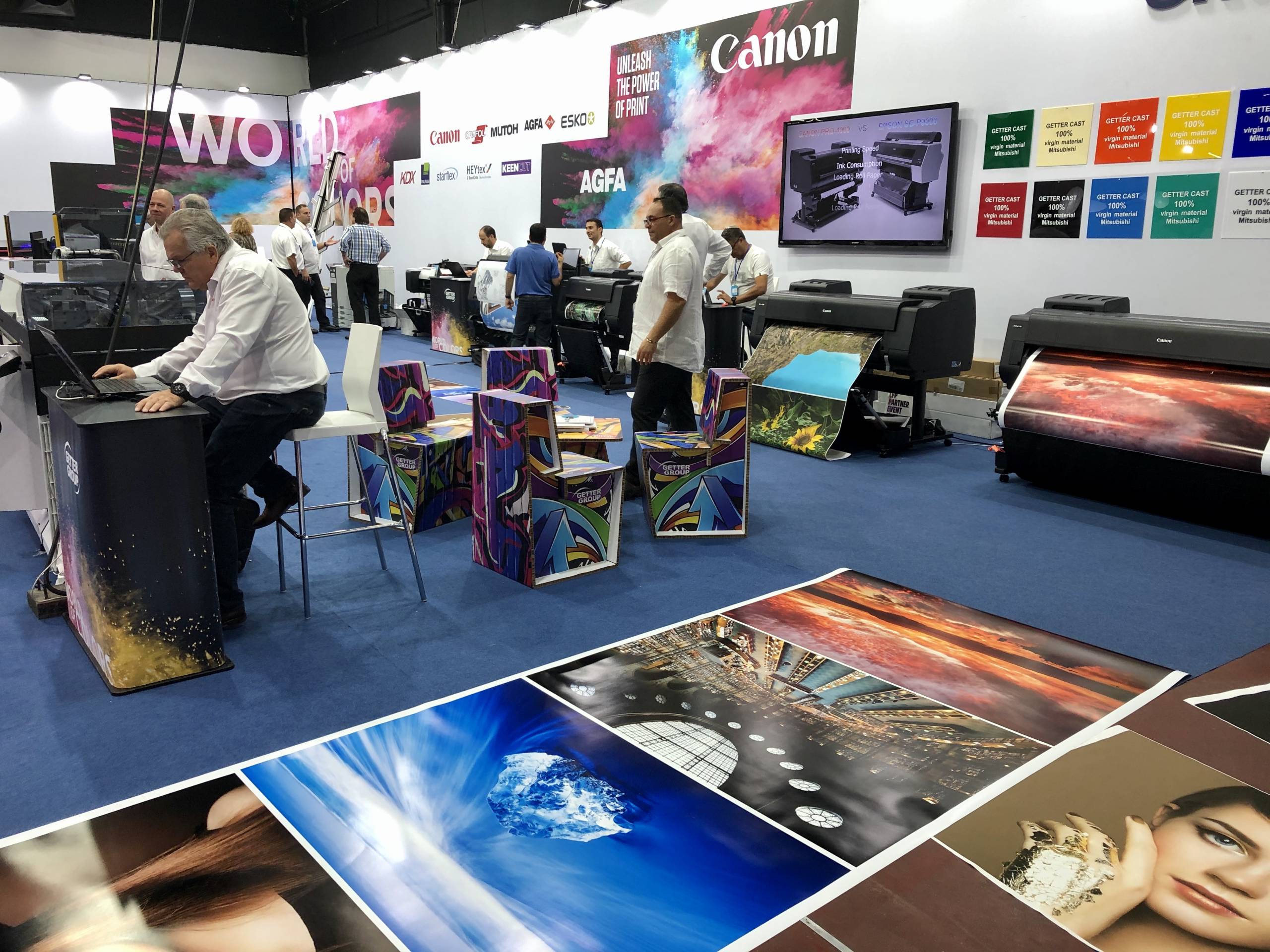
Paper is not a neutral carrier of photographic information. It is an active participant in the image — its surface texture, weight, color, and optical properties all contribute to how a print looks and how it feels as an object. Photographers who think carefully about their editions think carefully about paper, and the choices they make reveal something about how they … [Read more...] about How Photographers Choose Paper for Their Editions
Cyanotype in 2026: The Analog Revival That Won’t Quit
Cyanotype is one of the oldest photographic processes in existence. Invented by Sir John Herschel in 1842, it produces the characteristic Prussian blue images that generations of blueprints were built on. Anna Atkins used it to create the first photographically illustrated book in 1843. By rights, it should be a historical curiosity. Instead, cyanotype in 2026 is more widely … [Read more...] about Cyanotype in 2026: The Analog Revival That Won’t Quit
How to Read a Certificate of Authenticity
A certificate of authenticity (COA) is the primary document that verifies a print's identity, edition status, and provenance. It is not a guarantee of value, nor is it legally binding in most jurisdictions — but it is the foundation of trust in the fine art print market. Knowing how to read one carefully is a basic skill for any collector. What a COA Should Include A complete, … [Read more...] about How to Read a Certificate of Authenticity
Silver Gelatin vs. Inkjet: A Practical Comparison for Photographers Selling Their Work
For photographers deciding how to produce and sell prints of their work, the choice between silver gelatin and inkjet output is one of the most consequential they will make. Each approach involves different equipment, different skills, different costs, and different market positioning. Neither is universally better — but the right choice depends heavily on your practice, your … [Read more...] about Silver Gelatin vs. Inkjet: A Practical Comparison for Photographers Selling Their Work