When you acquire a print by a celebrated photographer, there is often an unacknowledged third party involved: the master printer. In photography, as in printmaking generally, the distinction between creating an image and producing a print from it has always existed. For many photographers, the darkroom or the print studio is a separate discipline — one they collaborate with … [Read more...] about Spotlight: Master Printers Who Work Behind the Scenes With Famous Photographers
Prints
Studio Visit: Inside a Fine Art Print Atelier
The fine art print atelier is a particular kind of workspace — neither gallery nor factory, but something between the two. It is a place where the production of art and the exercise of craft are indistinguishable from each other, where the knowledge accumulated over decades shapes every technical decision, and where the objects produced outlast the people who made them by … [Read more...] about Studio Visit: Inside a Fine Art Print Atelier
How Photographers Choose Paper for Their Editions
Paper is not a neutral carrier of photographic information. It is an active participant in the image — its surface texture, weight, color, and optical properties all contribute to how a print looks and how it feels as an object. Photographers who think carefully about their editions think carefully about paper, and the choices they make reveal something about how they … [Read more...] about How Photographers Choose Paper for Their Editions
How to Read a Certificate of Authenticity
A certificate of authenticity (COA) is the primary document that verifies a print's identity, edition status, and provenance. It is not a guarantee of value, nor is it legally binding in most jurisdictions — but it is the foundation of trust in the fine art print market. Knowing how to read one carefully is a basic skill for any collector. What a COA Should Include A complete, … [Read more...] about How to Read a Certificate of Authenticity
Silver Gelatin vs. Inkjet: A Practical Comparison for Photographers Selling Their Work
For photographers deciding how to produce and sell prints of their work, the choice between silver gelatin and inkjet output is one of the most consequential they will make. Each approach involves different equipment, different skills, different costs, and different market positioning. Neither is universally better — but the right choice depends heavily on your practice, your … [Read more...] about Silver Gelatin vs. Inkjet: A Practical Comparison for Photographers Selling Their Work
A Beginner’s Guide to Screen Printing on Fine Art Paper
Screen printing — also called silkscreen or serigraphy — is one of the oldest and most versatile printmaking processes still in wide use. Associated primarily with Andy Warhol's factory output and the golden age of rock poster art, it has also been a serious fine art medium for decades. For artists and printmakers coming to it for the first time, screen printing on fine art … [Read more...] about A Beginner’s Guide to Screen Printing on Fine Art Paper
Cyanotype in 2026: The Analog Revival That Won’t Quit
Cyanotype is one of the oldest photographic processes in existence. Invented by Sir John Herschel in 1842, it produces the characteristic Prussian blue images that generations of blueprints were built on. Anna Atkins used it to create the first photographically illustrated book in 1843. By rights, it should be a historical curiosity. Instead, cyanotype in 2026 is more widely … [Read more...] about Cyanotype in 2026: The Analog Revival That Won’t Quit
Risograph Printing: Why Indie Publishers and Artists Are Obsessed
The Risograph is, technically, an office duplicator — a stencil-based printing machine developed by the Japanese company Riso Kagaku Corporation in the 1980s for high-volume, low-cost document reproduction. It was designed to replace photocopiers in offices and schools. Nobody, when it was released, expected it to become a beloved tool of independent artists, zine makers, and … [Read more...] about Risograph Printing: Why Indie Publishers and Artists Are Obsessed
Letterpress for Photographers: Pairing Typographic Titles With Image Prints
Letterpress printing and photography have a longer shared history than most people realize. In the late 19th and early 20th centuries, photographic images were routinely combined with letterpress-printed text in books, portfolios, and exhibition catalogues. The reunion of these two processes in contemporary fine art print practice is not nostalgia — it is a considered choice … [Read more...] about Letterpress for Photographers: Pairing Typographic Titles With Image Prints
Large-Format Inkjet: What Changes Above 24 Inches
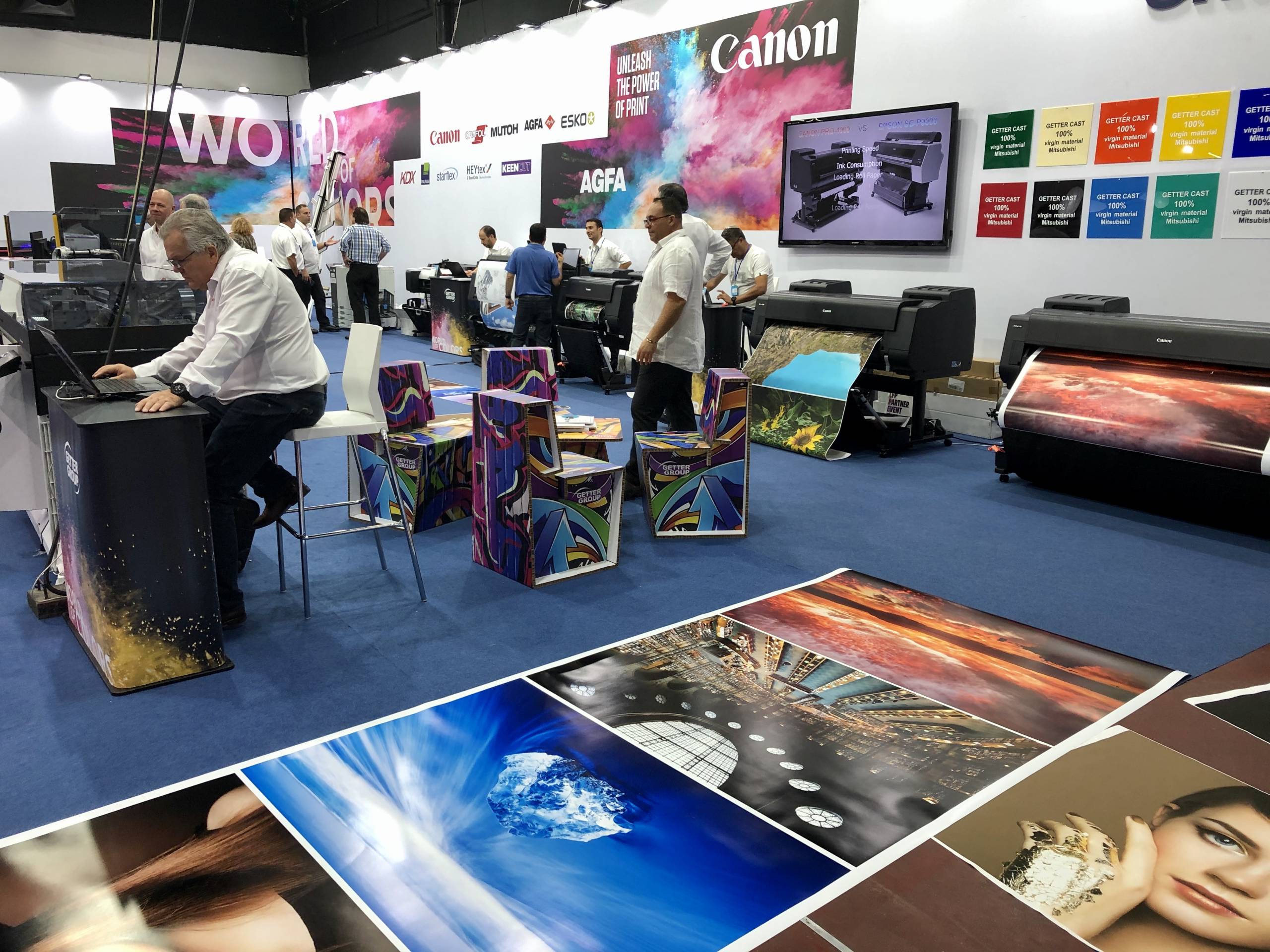
Most photographers who produce their own prints work on desktop inkjet printers — typically 13-inch or 17-inch wide format machines. These are capable of producing beautiful work. But there is a category above them that requires different equipment, different file preparation habits, and a different relationship with the print as an object. Once you cross 24 inches in width, … [Read more...] about Large-Format Inkjet: What Changes Above 24 Inches